
Gas detection solutions: installing a gas detector
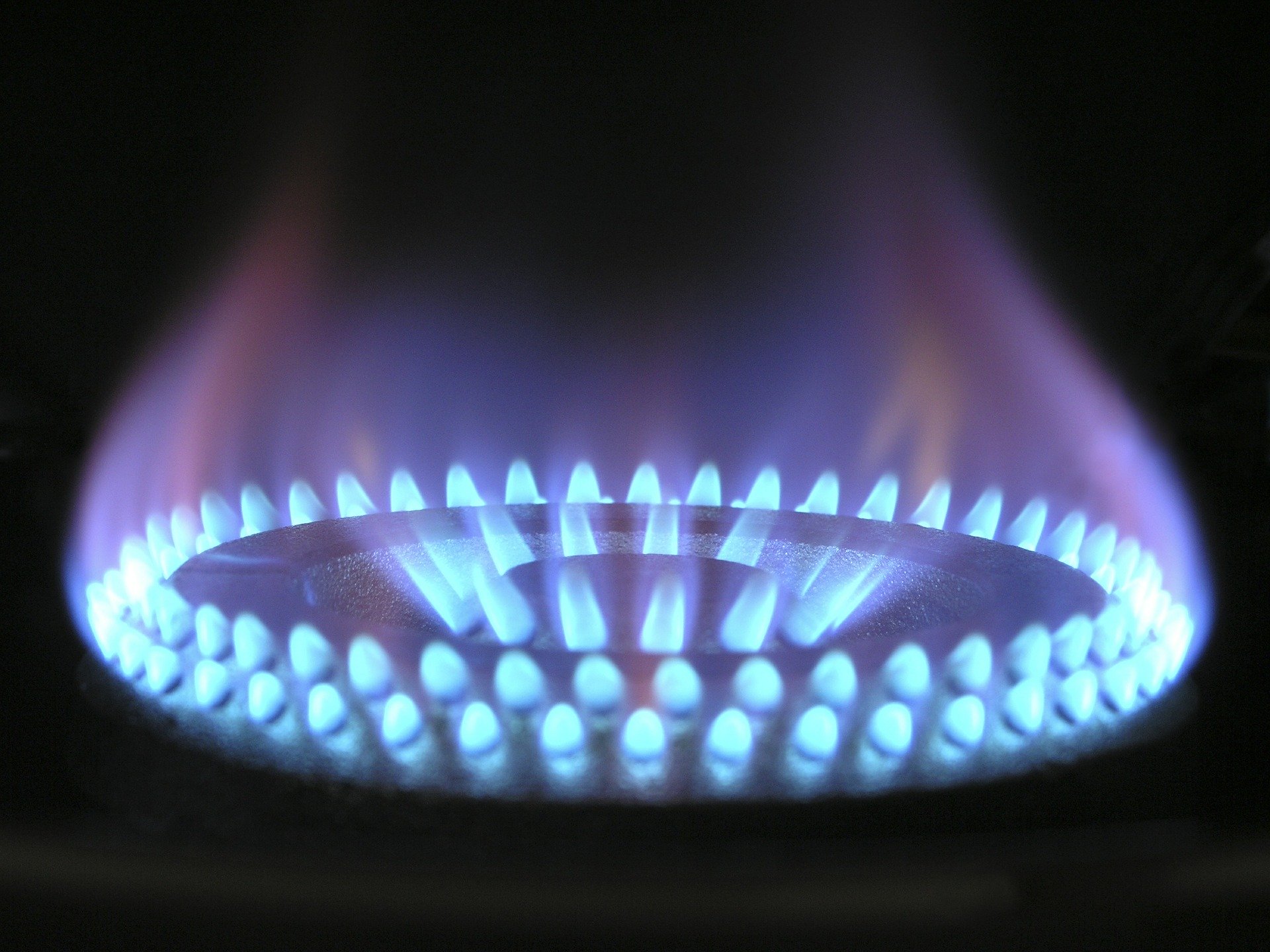
Gas is everywhere! Usually invisible and often odourless, it can nevertheless have devastating consequences for the environment, site safety and, above all, human health. Fortunately, smart gas detection solutions are available! Hesion explains the challenges of gas detection, along with the various installation options and gas detection solutions available to you.
A wide variety of gases
There are many types of gas. Although not all are harmful, it is important to know how to detect them and anticipate their spread to keep everyone safe.
Commonly used gases
When we think of gas detection systems, we often think of the most commonly used gases, such as mains gas or bottled gas. These are widely used in homes. Mains gas consists mainly of methane (CH4), while bottled gas may be butane or propane (C3H8). These gases are generally used to fuel heating or cooking appliances. However, there are other types of gas we may encounter that also require attention.
Gases found in car parks
Public car parks can expose users to various types of gas. Ineffective ventilation can allow carbon monoxide (CO), nitrogen dioxide (NO2), hydrogen sulphide (H2S) and hydrogen (H2) to accumulate. Fortunately, suitable gas detection solutions and well-designed car parks can reduce human exposure to these gases.
Gases from heating systems in commercial and industrial facilities
Whether in boiler rooms serving agricultural facilities, industrial plants or other commercial buildings, equipment faults can have devastating consequences. These systems often use natural gas or LPG (Liquefied Petroleum Gas), and malfunctions can lead to abnormally high concentrations of carbon monoxide (CO), which is extremely hazardous to health.
Toxic gases
Finally, the last category covers gases known to be toxic. Organisations that handle them are generally aware of the risks associated with their use, whether they are laboratories, companies using large-scale refrigeration equipment or businesses handling chemicals. All must have suitable gas detection solutions and systems in place, particularly for confined spaces.
The different gas detection solutions
It is often impossible to predict a gas system failure, whether caused by a leak or excessive gas accumulation in one location. However, effective gas detection solutions can help anticipate and prevent gas-related risks, such as poisoning and explosions.
Fixed gas detection solutions
Fixed gas detection solutions are installed wherever gas levels need to be monitored, such as car parks, industrial premises and refrigeration facilities. Operating independently, they can detect toxic hazards, fire risks and refrigerant leaks. Some solutions are even developed specifically for particular applications, such as the Hesion Sense range, which is specially designed for the risks encountered in car parks.
Portable gas detection solutions
Portable hazardous gas detection solutions have been developed to offer greater flexibility. They are particularly popular with heating installers, gas inspectors and inspection bodies. These solutions enable spot checks or targeted testing for gases such as carbon monoxide, methane, hydrogen and LPG. At Hesion, our Flairgaz detector combines practicality and performance, measuring the levels of these different gases with a single device.
Whether you are a private individual or a business, gas safety must never be taken lightly. Regulations impose increasingly stringent safety measures and standards for installations. At Hesion, protecting everyone from gas hazards is at the heart of what we do.
We develop leading hazardous gas detection solutions to ensure optimal safety. To find out more, contact our dedicated team of experts!
← All Gas Detection news