
Pollution in underground car parks
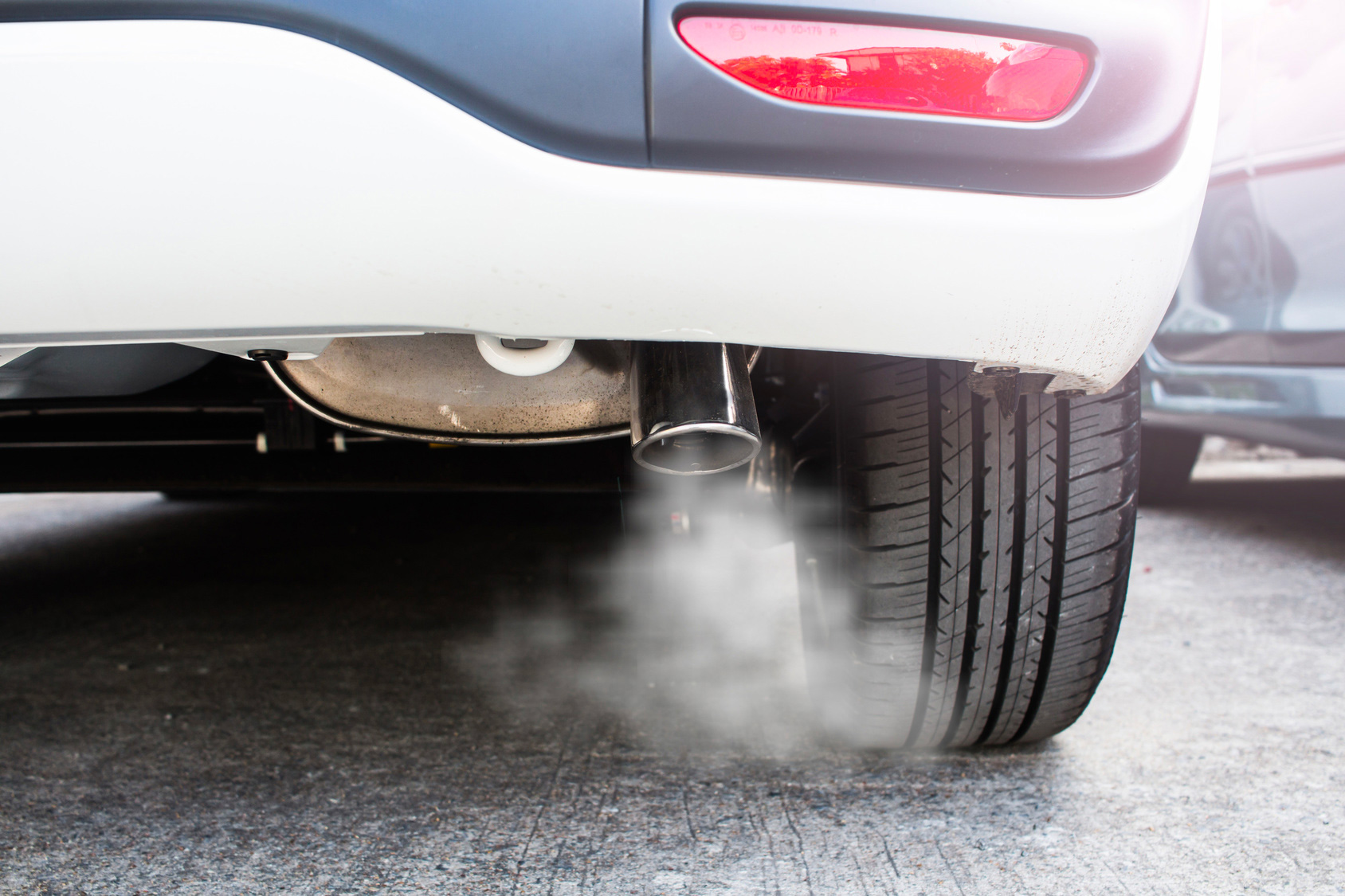
Changes in pollution levels in a car park are directly linked to vehicle traffic.
The French vehicle fleet in 2018
In 2018, the French vehicle fleet consisted of approximately 54% petrol vehicles, 40% diesel vehicles and 6% hybrid or electric vehicles.
Although new European standards aim to reduce pollutant emissions, they only apply to newly registered cars. Other vehicles continue to be driven and pollute just as much as before.
Car park pollution: the main pollutants in underground car parks
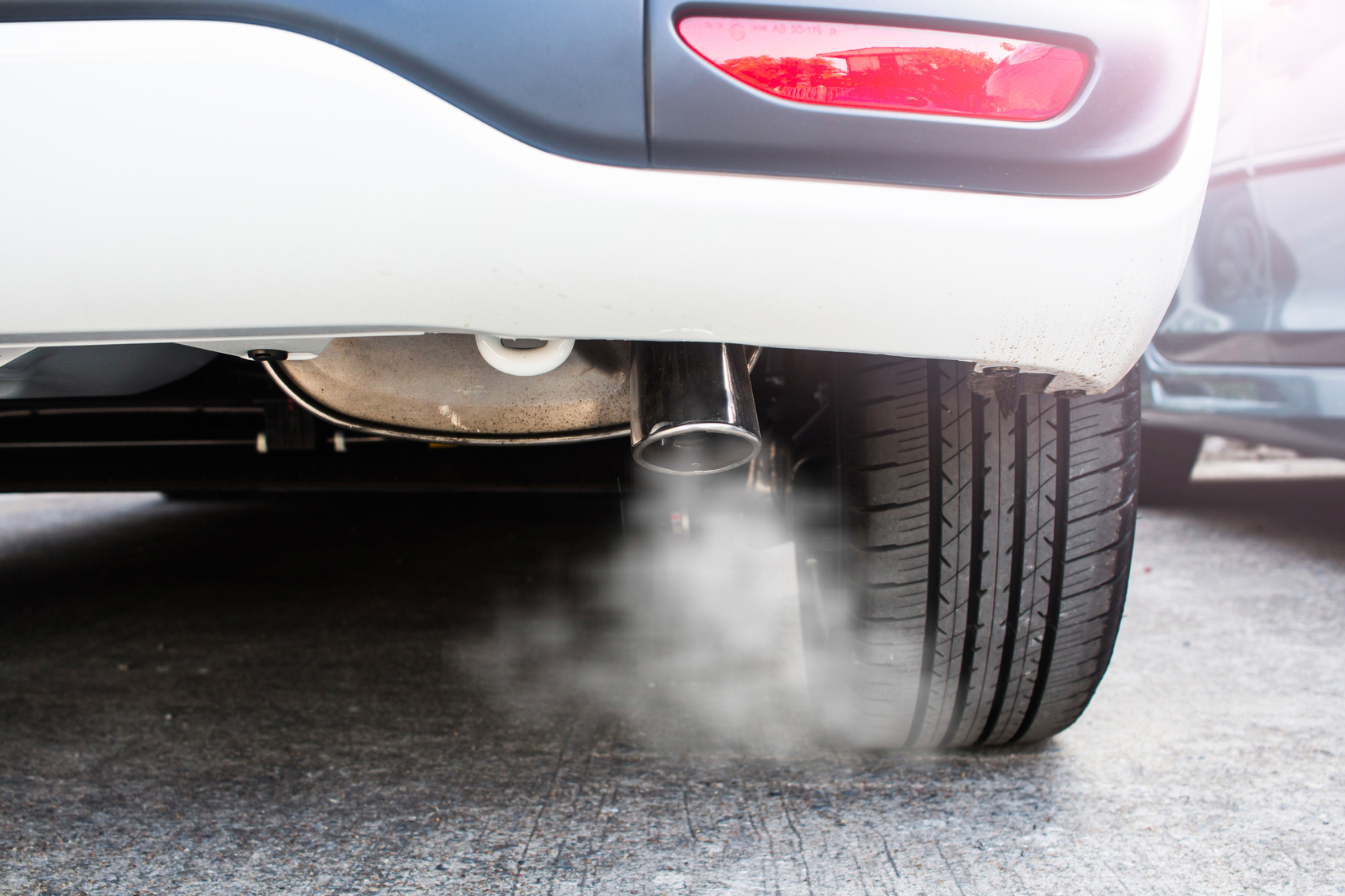
Fuel combustion in vehicle engines produces harmless substances such as water vapour, carbon dioxide and nitrogen, but also harmful emissions such as carbon monoxide (CO) and nitrogen oxides (NOx).
Taking a volume of 1m3 of exhaust gas as a reference gives the following results:
For a petrol vehicle, 7 to 14 litres of pollutants (80% CO and 7% NOx)
For a diesel vehicle, 2 litres of pollutants (15% CO and 15% NOx)
Petrol vehicle exhaust therefore contains proportionally more CO than NOx, while the reverse is true for diesel vehicles. These differences are narrowing further as particulate filters become standard on diesel vehicles and catalytic converters on petrol vehicles.
Other pollutants found in underground car parks
Pollutants emitted by parked vehicles are often overlooked. This pollution results from fuel evaporating from vehicle tanks. The longer a vehicle is parked in a car park, the more its fuel evaporates.
Benzene, used in unleaded petrol, is one of these other pollutants. Diesel fuel does not contain it.
To prevent pollution risks in underground car parks, the French Agency for Food, Environmental and Occupational Health & Safety recommends continuous air quality monitoring, primarily targeting CO and NO2, along with correctly sized ventilation control systems.
Our company, Hesion, specialises in monitoring air quality and pollution in car parks and offers solutions tailored to these risks.
Find out more about our control and safety solutions for car parks.
← All parking news