
2030: the end of cars in city centres?

Environmental awareness is (finally) starting to take hold, among both the public and policymakers. Many cities have therefore made plans to end diesel and petrol vehicle traffic within their boundaries. In France, but also across Europe! These decisions follow the Paris Agreement reached in late 2015. So what does this actually involve? Will there really be no more cars in city centres by 2030? And what options will be available to you as a driver? Hesion, your parking solutions expert, explains.
What is the Paris Agreement?
The Paris Agreement on climate change was reached following the international meeting held on 12 December 2015. Signed by 195 countries, it forms part of the UN (United Nations) climate policy framework. This pact commits all participants to taking action to limit global warming. The ambitious but necessary goal is to limit the temperature rise to 1,5°C by 2100. To achieve this, every country will need to make significant efforts to reduce carbon emissions. In September 2018, a report for Greenpeace Belgium, produced by the German Aerospace Center, brought the issue back into sharp focus. The environmental organisation is clear: if Europe wants to honour its climate commitments, it must reduce its diesel- and petrol-powered vehicle fleet by 80% by 2028.
Decisions taken across Europe
In response, many countries and cities have decided to take action. Plans to ban diesel and petrol cars have been announced across Europe. Urban mobility once again appears to be a central concern. Expanding public transport, developing smart parking solutions… These international commitments will undoubtedly reshape the way we use cars in cities.
Denmark, Norway and the Netherlands lead the way
In October 2018, Denmark announced plans to end sales of diesel and petrol vehicles by 2030. Since 1 January 2019, Copenhagen has already banned all diesel vehicles from the city. Like Copenhagen, Oslo has also banned diesel cars from its streets since 1 January 2019. Norway plans to end sales of diesel cars in 2025. The Netherlands, meanwhile, is a little further ahead. Amsterdam has been a diesel-free city since 2013. Its government aims to remove diesel cars from the roads by 2025 and achieve « 0 carbon emissions » by 2030.
France: slowly but surely
In France, the permanent end of combustion-engine vehicle sales is scheduled for 2040. Like other major European capitals, Paris has developed its own action plan. Since summer 2019, diesel vehicles more than 13 years old have no longer been allowed to drive in the capital. From 2024, diesel vehicles will no longer be permitted at all. Petrol vehicles are set to follow in 2030. Major regional cities are also taking action. The metropolitan areas of Lyon, Marseille and Strasbourg have introduced low-emission zones. Developing parking solutions outside city centres alongside the expansion of public transport also helps limit these emissions.
Comprehensive parking solutions for « greener » parking
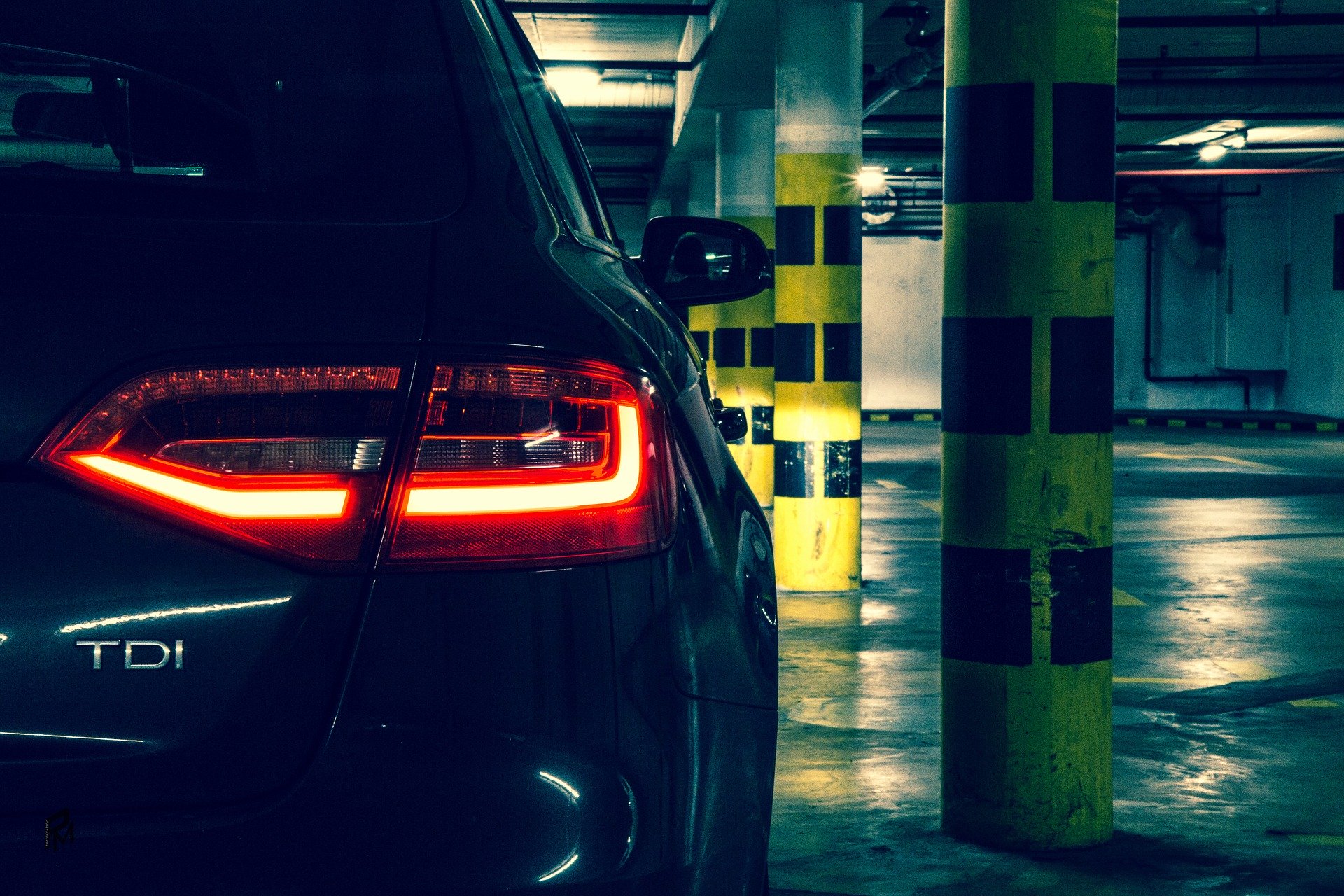
While air quality monitoring is a priority in our parking solutions, the quality of the air we all breathe matters just as much. Our R&D teams therefore work to reduce the environmental impact of vehicles while parked. The link between vehicle flows and pollution in car parks is clear. Implementing solutions to anticipate it is an integral part of our work. Working with municipalities and local authorities, we also prioritise urban mobility projects to make your cities greener. And we offer products that promote energy savings for truly more responsible parking solutions!
While it is not yet entirely clear whether cars will really be banned from city centres, one thing is certain: European countries appear to have committed to replacing them with hybrid and / or electric vehicles. Urban mobility policies led by local authorities and the development of smart parking solutions are already providing more environmentally friendly answers. For more information about our eco-friendly parking solutions, contact us!
← All parking news