
Underground parking: benefits and standards
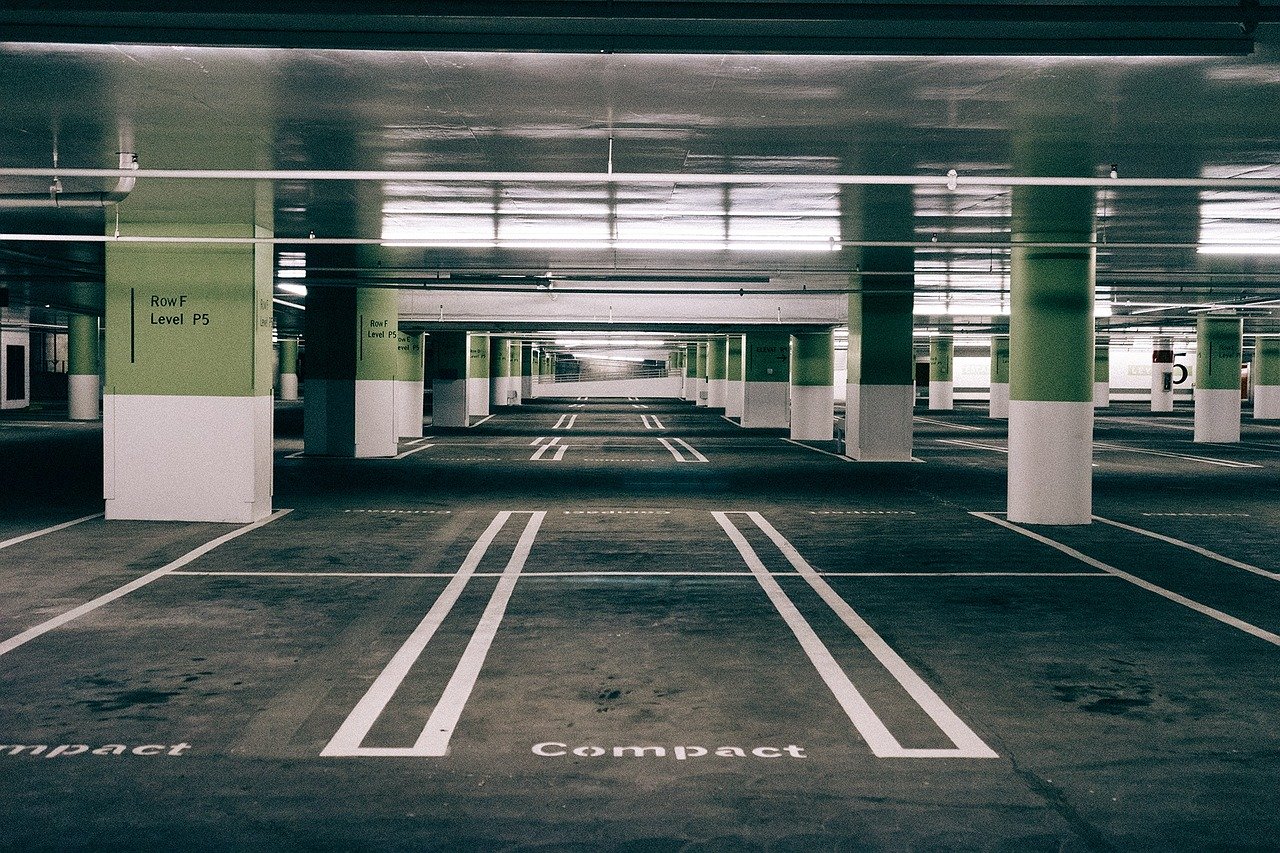
Underground car park regulations meet requirements set out in a framework, often derived from the French Urban Planning Code. These rules ensure better car park construction and operation while keeping users safe. This means that, by law, car park owners and all their subcontractors are responsible for complying with certain standards. The aim is to ensure safe use.
What is an underground car park?
An underground car park is a parking structure located below ground, usually beneath a building or public square. It provides a practical parking solution in urban areas where space is limited. This type of car park is valued for its ability to preserve the appearance of cities by avoiding often cluttered surface parking.
Numerous standards govern the construction of underground car parks and their access routes. These rules are designed to keep traffic flowing freely within the parking area and on adjacent public roads.
What are the benefits of an underground car park?
Underground car parks offer several benefits. Firstly, they save space in urban areas. Cities can use the space above the car park for buildings, parks or other infrastructure. Secondly, underground car parks protect vehicles from extreme weather conditions and can offer greater security than surface parking.
Underground car park regulations: what are the risks?
Whether underground or above ground, car parks present a number of risks. Underground car park regulations address several issues, including:
- Overcrowded parking and site congestion leading to dangerous manoeuvres, blocked pedestrian routes, etc.
- Parking areas that are not properly separated and/or are poorly marked, with no clearly defined pedestrian routes
- Carelessly parked cars. They can obstruct pedestrian routes and reduce visibility for other drivers and pedestrians
- The lack of safe, separate routes between the car park and the workplace (including poor surfaces, lighting, etc.)
- Security issues involving crimes against people using or working in car parks. Also vehicle-related crime
- Poor maintenance of car park equipment and facilities, leading to equipment failure and accidents
- Fires, particularly in underground or large car parks.
Compliance with current underground car park regulations is therefore mandatory during car park construction and use. Here is what you need to know about parking standards:
Underground car park construction and height standards
Safety should always be prioritised from the construction stage to control risks in parking areas. This can be achieved by following spatial requirements for car park dimensions and layouts. These include specifications for parking spaces and vehicle or pedestrian circulation areas. Minimum height requirements for underground car parks also apply. For parking space and access route dimensions, for example, standards NF P91-120 (for private car parks) and NF P91-100 (for public car parks) govern the recommended dimensions. These cover dimensions required for public access (for vehicles <3,5t and <1,90m high) and minimum dimensions for private parking.
In addition, legislation requires a quota of parking spaces for People with Reduced Mobility (PRM). These must comply with standards governing their distance from car park entrances and exits, as well as parking space dimensions and accessibility. These requirements are designed to facilitate access for vehicles and people (such as the provisions relating to transport and housing for people with disabilities, as well as their access to public premises and facilities, excerpt from Legifrance).
As with any area used for circulation, construction, safety and fire protection rules must be followed. These provisions fall under fire safety regulations for Establishments Open to the Public (ERP), some of which relate to covered car parks. These orders set out the technical inspections and authorisations required to minimise risks. Most of these regulations stem from legislation under the French Construction and Housing Code, such as Articles R. 122-16 and R. 123-43 on technical inspections (excerpt from the JORF of 21 December 2016).
Underground car park monitoring standards
In addition to the monitoring requirement stipulated in Article R273-7 of the French Internal Security Code, underground car park operators have a duty to monitor their premises. The system required depends on the car park's capacity, but one factor remains the same. The site must be monitored whenever it is accessible, whether by staff or CCTV (excerpt from Legifrance on building construction, safety and protection rules).
Our Eolparc and Sensoparc solutions help ensure air quality at all times. Underground car parks can therefore remain compliant with air quality standards while protecting their users.
Protecting users, but also the environment, as stipulated by the general requirements applicable to ICPE*. Since underground car parks emit polluting gases, operators have a duty to check emission levels and ensure their treatment. Here again, Hesion installations help you monitor compliance with these standards and meet current legislation (with fines for non-compliance).
Underground car park ventilation and evacuation standards
Since underground car parks generate toxic gases during use, these gases must be extracted. For exhaust gases, the ventilation system must be capable of starting on demand. This offers two benefits: improving your car park's energy efficiency and preventing permitted thresholds from being exceeded:
- The average CO2 concentration calculated over any 8 consecutive hours must not exceed 50 ppm;
- Calculated every 20 minutes, it must not exceed 100 ppm;
- The instantaneous concentration must not exceed 200 ppm.
To achieve this, Hesion offers detection systems. These trigger ventilation to extract gases as soon as levels are deemed too high. The Sensoparc 600 © system is equipped with detectors that measure the concentration of different gases in several areas of the underground car park. This enables better scheduling of air renewal and even smoke extraction. Find out more about Hesion Gaz for managing your underground car parks.
Hesion offers smart parking solutions
Alongside gas extraction, the evacuation of people must also be considered. Underground car park regulations comply with the safety requirements applicable to covered car parks adjoining residential buildings. All matters relating to safety and accessibility refer back to the construction standards mentioned above (and detailed on Legifrance). Here too, Hesion's EasyAcces and EasyGuide solutions can control barriers and signs to facilitate evacuation.
← All parking news